
Jan 12, 2025
What to Do Before an Emergency HVAC Technician Arrives | 10 Smart Steps
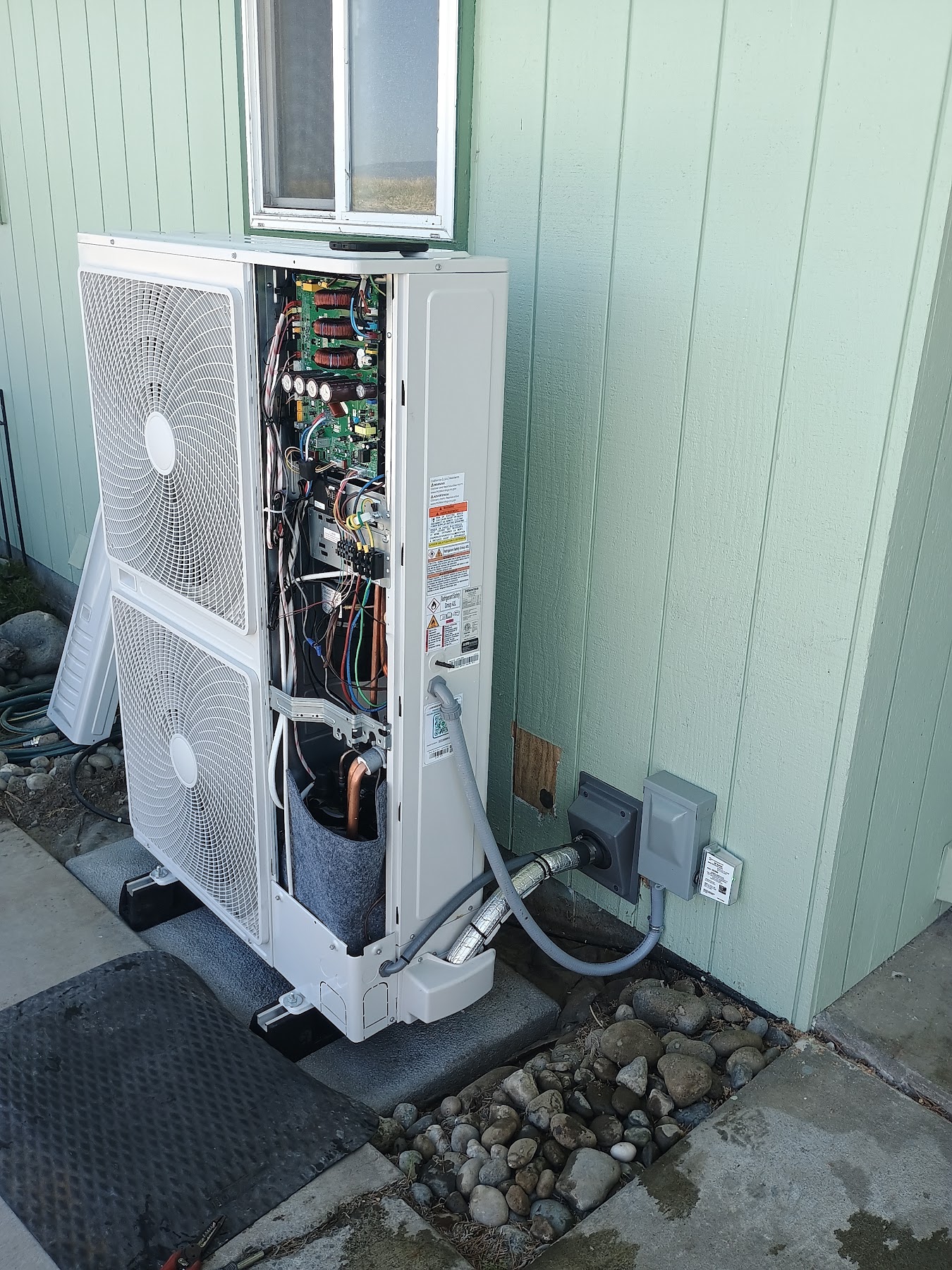
What to Do Before an Emergency HVAC Technician Arrives
1. Turn Off the HVAC System
If your system is malfunctioning, making unusual noises, or leaking, turn it off at the thermostat to prevent further damage or strain on components.
2. Assess the Situation
Identify the type of HVAC emergency—such as no heat or cooling, strange odors, refrigerant leaks, ice buildup, or electrical issues. This helps you clearly explain the problem when the technician arrives.
3. Clear the Area Around the Unit
Remove furniture, storage items, or debris around indoor and outdoor units. Clear access allows the technician to work safely and efficiently.
4. Check for Obvious Issues
Look for tripped breakers, dirty air filters, blocked vents, or visible ice or water around the system. Note anything unusual so you can relay it during the service call.
5. Turn Off Power if Necessary
If you notice electrical smells, sparking, or water near electrical components, shut off power to the HVAC system at the breaker to avoid safety hazards.
6. Document the Issue
Take photos or videos of error codes, ice buildup, water leaks, or damaged components. This can help with diagnostics and, if needed, warranty or insurance claims.
7. Communicate Clearly with the Technician
When the HVAC technician arrives, explain what’s happening, when the issue started, and any steps you’ve already taken. Clear communication speeds up diagnosis and repair.
8. Avoid DIY Repairs
Resist attempting temporary fixes. HVAC systems involve electrical and refrigerant components that require licensed professionals. DIY repairs can worsen the problem or create safety risks.
9. Follow the Technician’s Recommendations
Ask questions and follow professional advice regarding repairs, system operation, and steps to prevent future emergencies.
10. Prepare for the Future
After the issue is resolved, schedule regular HVAC maintenance and keep emergency contact information handy. Preventive care reduces the risk of unexpected breakdowns.